
How Technology Is Reshaping Kids Fine Motor Skills in a Digital World?
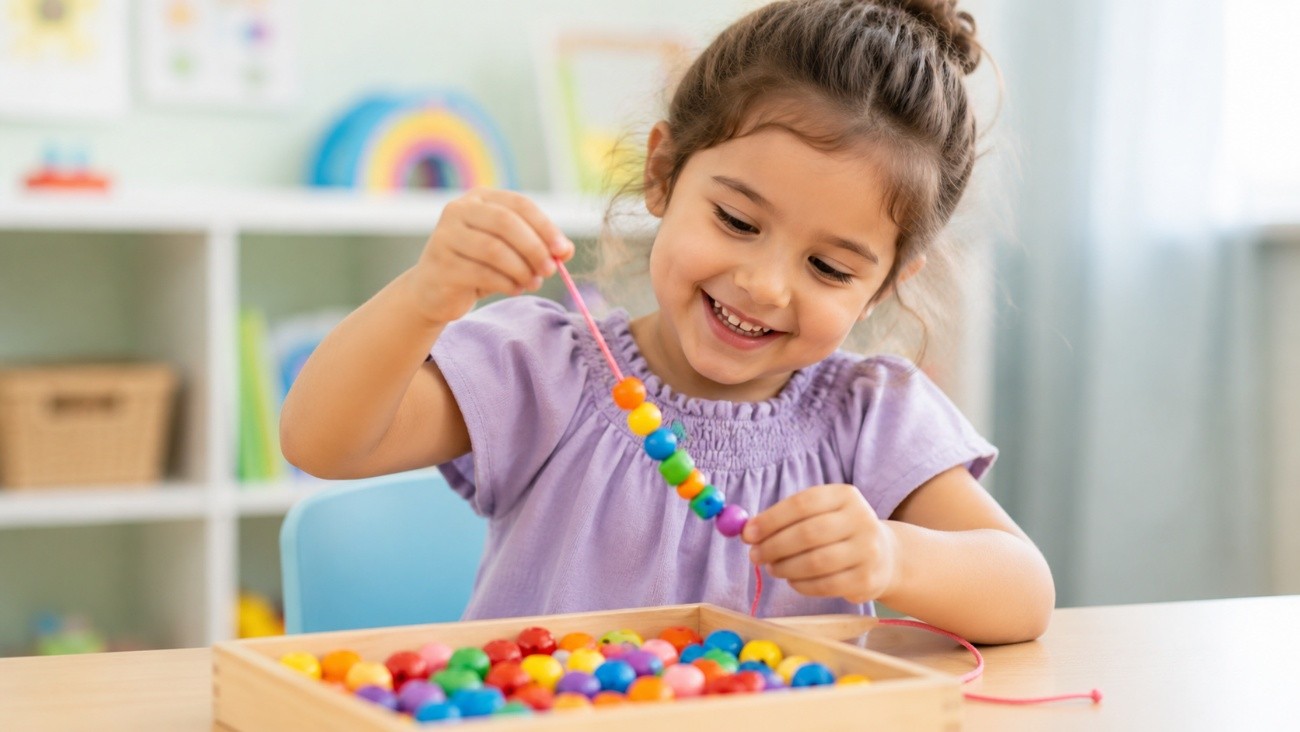
Learn how screens, typing, and hands-on play shape fine motor skills in children, plus when therapy may help with handwriting and daily tasks.
Children are growing up with touchscreens before they can tie their shoes. A toddler can swipe through photos, tap a video, or drag icons across a tablet with surprising ease. For many parents, early confidence with technology feels impressive. But when the same child later struggles to hold a pencil, button a shirt, use scissors, write neatly, or sit through a handwriting task, the question becomes more serious: are modern tech habits changing how children develop the small hand skills they need for school and daily life?
Fine motor development has always been shaped by a child’s environment. Climbing, drawing, cutting, building, squeezing, pinching, dressing, and playing with real objects all strengthen the hands and teach the brain how to control precise movement. Technology is not “bad,” and screens are not the only reason children struggle. But tapping and swiping use the hands differently than traditional play. That shift matters, especially when children spend less time using crayons, blocks, puzzles, clay, paper, buttons, zippers, and other materials that build hand strength and coordination.
This is where parents often begin searching for Fine Motor Skills Therapy. The goal is not to take technology away completely. The goal is to help children build the underlying motor, sensory, visual, and coordination skills they need to use both digital and real-world tools with confidence. WriteSteps helps families connect that support with practical hand-skill goals used at home, school, and daily routines.
How Technology Changes the Way Children Use Their Hands
Touchscreens are easy to use because they require very little force. A light tap can open an app. A swipe can move a full page. A child does not need strong fingers, stable wrists, refined grip, or controlled pressure to make something happen on a screen. That instant response can be fun and motivating, but it does not always challenge the small muscles in the hands in the same way as drawing, writing, cutting, building, or manipulating objects.
Handwriting, for example, requires much more than moving a pencil across paper. A child must stabilize the shoulder, control the wrist, adjust finger pressure, coordinate both hands, track visually, remember letter shapes, and plan each movement. Even simple classroom tasks like copying from the board or finishing a worksheet depend on a quiet network of skills working together.
Typing is also different from handwriting. Keyboarding can be helpful for older children, especially when written output is difficult, but it does not replace the developmental value of using the hands in varied ways. Pressing keys builds one type of skill. Forming letters, coloring inside lines, cutting shapes, tying shoelaces, opening containers, and using utensils build others. Children need a broad mix of hand experiences, not just one kind of input.
Why Fine Motor Skills Still Matter in a Tech-Heavy Childhood
Some parents wonder whether handwriting and fine motor strength matter as much now that children use devices so often. The answer is yes. Fine motor skills support far more than pencil-and-paper work. They affect dressing, eating, grooming, play, school participation, art, tool use, self-care, and confidence.
A child with weak fine motor control may avoid puzzles, crafts, or writing because these tasks feel frustrating. Another child may rush through written work because their hand gets tired. Some children press too hard on the pencil, while others write so lightly that their words are difficult to read. Some struggle with spacing, letter size, scissors, glue sticks, buttons, lunch containers, or backpack zippers.
These challenges can look like laziness, lack of attention, or poor motivation, but often the child is working harder than adults realize. When the hands do not have enough strength, coordination, or sensory feedback, everyday tasks can feel exhausting. Over time, children may lose confidence and start saying, “I’m bad at writing,” or “I can’t do it.”
The visible issue may be messy handwriting, but the root may involve hand strength, bilateral coordination, motor planning, visual perception, posture, sensory processing, or endurance.
Common Signs a Child May Be Struggling
Fine motor delays do not always appear dramatically. Sometimes they show up as small daily frustrations. A child may avoid coloring, complain that writing hurts, switch hands often, hold the pencil awkwardly, press too hard, use the whole arm instead of the fingers, or become upset during homework.
In younger children, signs may include difficulty stringing beads, using tweezers, stacking small blocks, opening snack packages, using utensils neatly, or completing simple dressing tasks. In school-age children, signs may become more obvious when writing demands increase. The child may understand the lesson but struggle to get ideas onto paper quickly enough.
Technology can sometimes hide these issues for a while. A child who avoids writing may seem comfortable on a tablet because tapping is easier than forming letters. But when classroom tasks require handwriting, cutting, organizing papers, or completing multi-step hand activities, the gap becomes more noticeable.
How Fine Motor Skills Therapy Helps
Fine Motor Skills Therapy focuses on the foundation beneath the task. Instead of only telling a child to “write neater” or “try harder,” therapy looks at why the task is difficult. A pediatric occupational therapist may assess hand strength, grasp patterns, finger isolation, wrist stability, bilateral coordination, visual-motor integration, sensory processing, posture, and motor planning.
The process is usually playful, practical, and highly individualized. A child may work with therapy putty, tweezers, tongs, clothespins, beads, puzzles, obstacle courses, drawing tools, scissors, textured materials, or handwriting activities. These are not random games. Each activity is chosen to strengthen a specific skill needed for daily function.
For example, squeezing putty can help build hand strength. Using tongs can improve finger control. Cutting paper can support bilateral coordination because one hand cuts while the other hand turns the paper. Drawing on vertical surfaces can encourage wrist extension and shoulder stability. Multisensory letter practice can help children remember how letters feel, move, and look.
The most effective therapy does not separate skills from real life. It connects progress to meaningful outcomes: writing a sentence with less fatigue, opening lunch independently, finishing a classroom craft, tying shoes, using scissors safely, or feeling more confident during homework. At WriteSteps, this child-centered approach can make therapy goals feel useful beyond the session.
Balancing Screens With Hands-On Development
Parents do not need to create a screen-free home to support fine motor growth. A more realistic goal is balance. Technology can be useful, educational, and even supportive for some children. The key is making sure children also get enough hands-on experiences that require grip, resistance, coordination, and problem-solving.
Simple routines can make a difference. Keep crayons, markers, chalk, child-safe scissors, stickers, puzzles, blocks, playdough, beads, and building toys available. Invite children to help with real-life tasks such as peeling stickers, opening containers, pouring, stirring, folding napkins, sorting coins, buttoning clothing, or packing a lunchbox. These activities may look ordinary, but they build the exact skills children need for independence.
Outdoor play also matters. Climbing, swinging, crawling, digging, and carrying objects strengthen the larger muscles that support fine motor control. A stable core and shoulders give the hands a better base for precise work. This is one reason children who struggle with handwriting may also benefit from activities that involve the whole body.
When screens are used, parents can pair digital time with active hand use. After a drawing app, offer real paper and crayons. After a building game, bring out blocks or magnetic tiles. After watching a craft video, try the activity with real materials. The goal is to turn passive or low-resistance hand use into richer motor experiences.
Real-World Example: The Child Who Types Well but Avoids Writing
Consider a school-age child who can type short answers on a tablet but melts down when asked to write a paragraph. Adults may assume the child simply prefers technology. But a closer look may show that handwriting is physically harder. The child’s fingers fatigue quickly, spacing becomes inconsistent, letters vary in size, and the page looks messy even when the child understands the assignment.
In this situation, keyboarding may be a helpful accommodation, but it should not be the only support. The child may still need hand strengthening, pencil control practice, posture support, visual-motor activities, and gradual handwriting endurance work. With the right plan, the child can learn strategies that reduce frustration and improve participation.
This is the value of individualized fine motor skills therapy: it does not force every child into the same method. It looks at the child’s actual needs and builds a bridge between where they are now and what daily life requires.
Real-World Example: The Preschooler Who Loves Screens but Avoids Crafts
A preschooler may happily use a tablet but refuse coloring, cutting, or playdough. Parents might think the child is simply not interested in crafts. Sometimes that is true. Other times, the child avoids these activities because they are difficult. Scissors require both hands to work together. Coloring requires controlled pressure. Playdough requires hand strength. Stickers require finger isolation and patience.
For this child, the solution is not pressure. It is making hands-on activities feel successful. Short, playful sessions work better than long practice periods. Tearing paper, squeezing sponges, placing stickers, using chunky crayons, or hiding small toys in putty can build skills without making the child feel tested.
Benefits of Stronger Fine Motor Development
When children improve fine motor skills, the benefits often extend beyond handwriting. They may become more independent with dressing, more willing to participate in classroom tasks, more confident during art projects, and less frustrated during homework. Teachers may notice improved work completion. Parents may notice fewer battles around daily routines.
Children also gain a stronger sense of capability. When a child can zip a jacket, write their name, cut a shape, or finish a worksheet without giving up, they experience success in a very personal way. These small wins matter. They shape how children see themselves as learners and problem-solvers.
Fine motor progress can also support emotional regulation. A child who feels physically overwhelmed by writing or self-care tasks may become anxious, avoidant, or upset. When the task becomes easier, behavior often improves because the child no longer has to fight through the same level of frustration.
When Parents Should Consider Support
Parents should consider professional support when fine motor struggles interfere with school, self-care, play, or confidence. Occasional messy writing is normal. Avoiding every writing task, frequently complaining of hand pain, falling behind in classroom work, struggling with age-appropriate self-care, or becoming distressed during fine motor activities may point to a deeper need.
A pediatric occupational therapy evaluation can help identify what is happening beneath the surface. It can also give families practical next steps instead of guesswork. For some children, a home activity plan may be enough. For others, direct therapy can provide the structure and progression needed to build lasting skills. Families who want child-centered guidance can contact WriteSteps to explore the right next step for their child.
Technology will continue to be part of childhood. Children will tap, type, swipe, and click. But they also need to pinch, grasp, squeeze, draw, cut, build, button, write, and explore. The healthiest approach is not choosing between digital skills and fine motor development. It is helping children develop both.
Frequently Asked Questions
1. Can too much screen time affect fine motor skills?
Screen time can reduce opportunities for hands-on play if it replaces activities like drawing, cutting, building, dressing practice, or outdoor play. Tapping and swiping do not challenge the hands in the same way as real materials. Balance is important, especially during early development.
2. What are the most important fine motor skills for handwriting?
Handwriting depends on finger control, hand strength, wrist stability, pencil grasp, visual-motor coordination, posture, and endurance. A child also needs motor planning to remember letter formation and spacing. When one of these areas is weak, writing may become slow, messy, or tiring.
3. Is typing a good replacement for handwriting?
Typing can be helpful for some children, especially when writing demands are high. However, it should not completely replace handwriting practice in younger children. Handwriting supports motor learning, classroom participation, and independence with everyday paper-based tasks.
4. What home activities help improve fine motor skills?
Helpful activities include playdough, coloring, puzzles, stickers, beading, tearing paper, using tongs, cutting with child-safe scissors, building blocks, and practicing buttons or zippers. Everyday routines like opening containers or helping prepare snacks can also build hand strength and coordination.
5. When should my child see an occupational therapist?
Consider an evaluation if your child avoids writing, struggles with scissors, tires quickly during hand tasks, has difficulty with dressing skills, or becomes upset during fine motor activities. Support may also help if teachers notice handwriting, work completion, or classroom participation concerns.
6. How does therapy make fine motor practice more effective?
Therapy identifies the reason a child is struggling, then builds skills through targeted, playful activities. Instead of repeating the same difficult task, the therapist works on the foundation behind it, such as strength, coordination, sensory feedback, visual-motor control, or endurance.
7. Can older children still improve fine motor skills?
Yes. Older children can improve with the right strategies and consistent practice. Therapy may focus on handwriting efficiency, typing support, organization, endurance, adaptive tools, and confidence. Progress depends on the child’s needs, goals, and how consistently skills are supported.
Wondering if OT could help your child?
Schedule a complimentary phone screening with Danielle — no pressure, just a conversation.
Book a screening