
Making sense of what the eyes see
Visual perception is how the brain interprets what the eyes take in — essential for reading, writing, math and play.
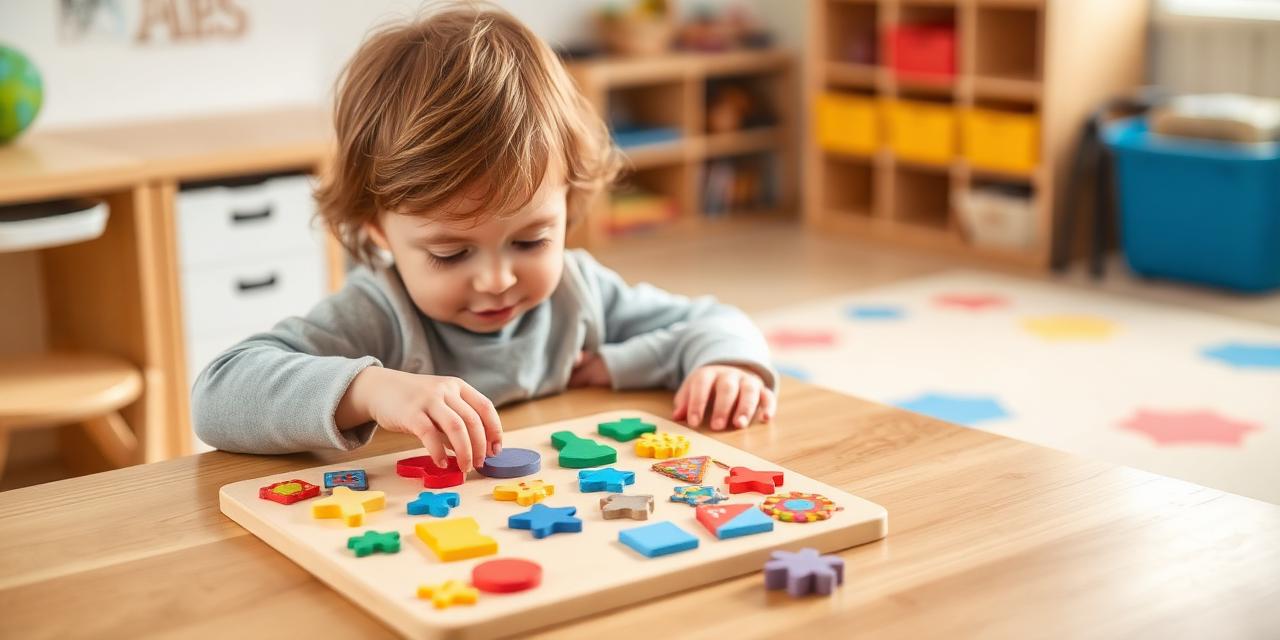
Children with visual perceptual challenges may reverse letters, lose their place when reading, struggle to copy from the board, or have a hard time finding what they need on a busy page.
We use targeted activities that strengthen visual discrimination, spatial relationships, figure-ground perception, visual memory, sequencing and form constancy.
Visual perception is different from eyesight. It describes how the brain processes and responds to what a child sees. Strong visual perceptual skills support reading, handwriting, copying, puzzles, classroom organization, and independent play. A child with difficulty in this area may confuse letters or shapes, misjudge spacing, overlook details, or become frustrated with visually demanding tasks.
Visual perception occupational therapy uses age-appropriate activities to build these abilities. Sessions may include matching games, mazes, hidden-picture exercises, puzzles, pattern copying, block designs, and visual-motor tasks. During visual perceptual skills OT, activities are adapted to the child's needs and learning style. Occupational therapy visual strategies may also support attention, fine motor coordination, motor planning, and confidence.
Families seeking support for visual perceptual skills in San Diego can work with WriteSteps for guidance. With consistent practice and support, children can improve accuracy, develop strategies, and participate more confidently at school, at home, and during activities.
Our approach
Identify the gaps
Standardized visual perceptual testing pinpoints where breakdowns are happening. The assessment identifies specific difficulties with visual memory, spatial awareness, visual discrimination, sequencing, and figure-ground perception so therapy can focus on the skills affecting learning and daily participation.
Train the skill
Puzzles, hidden pictures, mazes, copying tasks — incremental challenge that builds capacity. Activities are carefully selected and adjusted to the child's ability, helping them practice visual processing, improve accuracy, develop problem-solving strategies, and build confidence without feeling overwhelmed.
Apply to schoolwork
Translate skills into reading, writing and math performance. Children practice using their developing visual perceptual skills during meaningful classroom tasks, such as tracking words, copying from the board, organizing written work, recognizing numbers, and following visual instructions more independently.
Ready to take the next step?
Schedule a complimentary phone screening with Danielle to talk through your child's needs.
Book a free screening