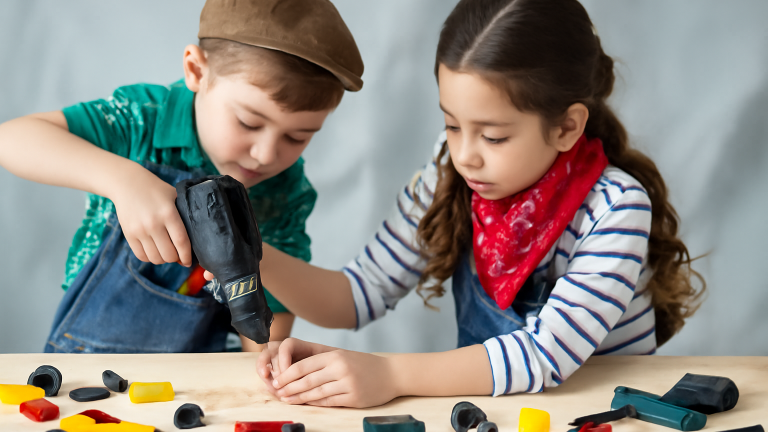
At WriteSteps, we specialize in helping children in San Diego build strong fine motor skills the small but crucial hand and finger movements needed for everyday tasks. As a dedicated provider of pediatric occupational therapy, our mission is to empower children to reach their full potential in school, at home and beyond.
What Are Fine Motor Skills and Why They Matter
Fine motor skills involve precise, coordinated movements of the small muscles in the hands and fingers (and sometimes feet or toes), enabling tasks like holding a pencil, buttoning a shirt, cutting with scissors, or using utensils.
These skills impact almost every aspect of daily life for children from dressing and feeding themselves to writing legibly in class, tying shoelaces, or using tools like scissors.
If fine motor skills don’t develop as expected, children may struggle with basic tasks, lose confidence, or have difficulty in school and social settings. That’s why monitoring fine motor development and providing early support is so important.
What Are Fine Motor Development Disorders?
When a child’s fine motor abilities such as hand strength, coordination, dexterity, or visual-motor integration lag behind typical developmental milestones, they may be showing signs of a fine motor development disorder.
One example of such a condition is Developmental Coordination Disorder (DCD), sometimes called dyspraxia, which affects a child’s ability to learn and coordinate motor tasks at the level expected for their age.
Underlying causes can be varied from neurological differences (brain, nerves, sensory integration) to muscle weakness or delayed neuromuscular development.
Left unaddressed, delayed fine motor development can impact a child’s independence, academic performance, self-esteem and overall quality of life.
When You Should Seek Professional Help
You (or your child’s teacher) should consider professional evaluation if you observe persistent difficulty or delays in tasks like:
- Holding or using a pencil or crayon properly messy, shaky or very slow handwriting.
- Using scissors for cutting, even with guidance.
- Buttoning clothes, tying shoelaces, or managing zippers/fasteners.
- Using utensils (fork, spoon) for eating.
- Manipulating small objects, building blocks or toys difficulty with grasp or control.
If a child consistently struggles with two or more of these tasks, it may be a sign of a fine motor disorder or developmental delay that would benefit from targeted intervention.
How WriteSteps Helps: Fine Motor Skills Therapy in San Diego
At WriteSteps, we provide specialized occupational therapy activities for fine motor skills tailored to each child’s unique needs. We combine clinical expertise with playful, engaging, and practical tasks making therapy both effective and fun.
Our approach includes:
- Comprehensive evaluation to identify specific fine motor challenges.
- Personalized therapy plans focusing on improving hand strength, coordination, and fine-motor control.
- Use of play-based, real-life tasks: bead stringing, building with blocks or Legos, using child-safe scissors, manipulating small objects, crafts and more.
- Home-based fine motor activities and parent/caregiver guidance to encourage consistent practice beyond therapy sessions.
With consistent support, many children show noticeable improvement from better pencil grip and neater handwriting to independent dressing, feeding, and improved confidence in school tasks.
Benefits of Early Intervention
Starting fine motor therapy early ideally as soon as you notice delays offers several benefits:
- Builds foundational hand-eye coordination, muscle strength, and dexterity that support lifelong skills.
- Reduces frustration and anxiety for children struggling in daily tasks, boosting confidence and independence.
- Supports academic success improved writing, drawing, cutting, and other school-related tasks.
- Helps prevent long-term challenges associated with fine motor disability, which can stem from various neurological, muscular or sensory issues.
Why Choose WriteSteps for Your Child
As a dedicated provider serving the San Diego community, WriteSteps specializes in fine motor skills therapy, occupational therapy activities for fine motor skills, and overall developmental support. Our expertise, individualized plans, and play-based methods make us uniquely suited to help children overcome fine motor delays or disorders.
We understand every child is different and we tailor therapy to match where your child is now, and where they can be with the right support.
Let us partner with you and your child to build a strong foundation for writing, learning, self-care, independence and long-term success.
FAQs
Q1: What exactly are fine motor skills in children?
Fine motor skills are the small, precise movements made by the muscles of the hands and fingers (and sometimes toes), enabling activities like writing, buttoning clothes, using utensils, and manipulating small objects.
Q2: What are common signs that my child may have a fine motor development disorder?
Signs may include messy or very slow handwriting, difficulty using scissors, trouble fastening buttons or zippers, inability to use utensils properly, weak grip, or difficulty manipulating small objects.
Q3: Can occupational therapy really help improve fine motor skills?
Yes. Occupational therapy, using tailored exercises and play-based activities, helps strengthen hand muscles, improve coordination and precision, and build hand-eye coordination all crucial for fine motor skills.
Q4: How soon should I start therapy if I notice delays?
As soon as you observe consistent difficulties with fine motor tasks early intervention helps maximize progress and reduces long-term challenges associated with fine motor disabilities.
Q5: What kinds of activities are used in fine motor therapy?
Therapy may include bead-stringing, block building or Lego play, cutting shapes with scissors, crafts, drawing, using tweezers or play-dough, practicing buttoning or zipping clothes all designed to build dexterity, strength, coordination, and control.